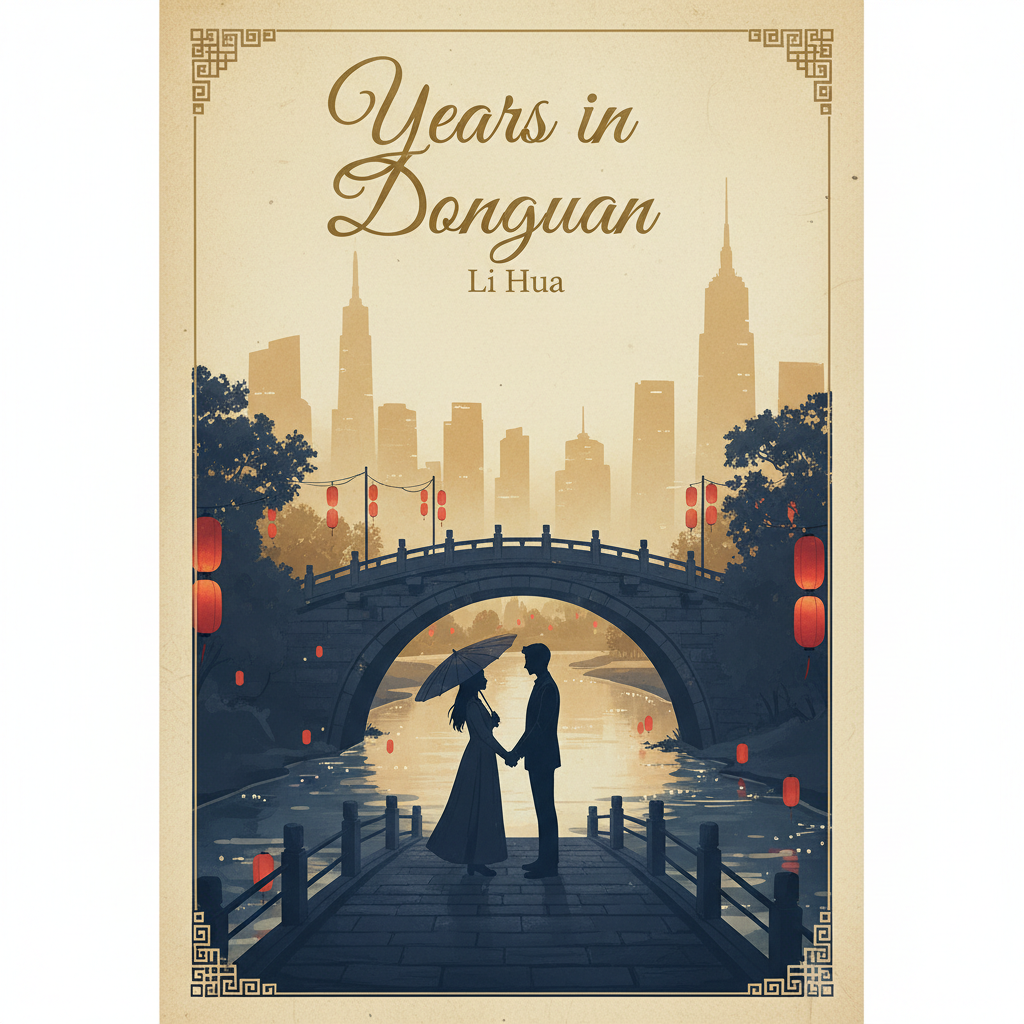
Years in Dongguan
In the 1990s, coastal cities experienced an economic boom, riding the crest of the era and harnessing the winds of reform to develop at a breathtaking pace. With a wild and unrestrained vigor, they co
Page 1 of 3
On a snowy evening in January 1990, Beijing was swept by flurries as the loudspeaker on the platform announced: “Train T47 to Guangzhou is about to depart. All staff, please prepare for departure.” With a bruised face, Jiang Fan hurriedly arrived, catching the train at the very last second before the attendant closed the door.
He was just over twenty, about 175 centimeters tall, with a lean frame, wearing a patched cotton jacket and carrying an old travel bag. After boarding, he pressed himself against the door, hunched his head, and breathed heavily onto the frost-covered glass. Wiping a small clear patch with his palm, he peered outside, searching for the old man who had just beaten him into this sorry state.
The crowd on the platform surged back and forth, but the old man was nowhere to be seen.
As the train whistled and began its journey, Li Wine Jug, who couldn’t bear scenes of farewell, stepped out from behind a pillar. He was over fifty, with a head of white hair, a bulbous nose, sunken cheeks, and a face etched with the hardships of time and labor.
Watching the train disappear into the distance, his eyes brimmed with tears as he muttered to himself, “How could such a kind and outstanding child end up with such misfortune?”
Just yesterday, Jiang Fan had been a model student admired by all, only half a year from graduation. But after an accident, his reputation was ruined—he was branded as morally corrupt and expelled from school as a social outcast.
With his academic future cut off, the only path left for Jiang